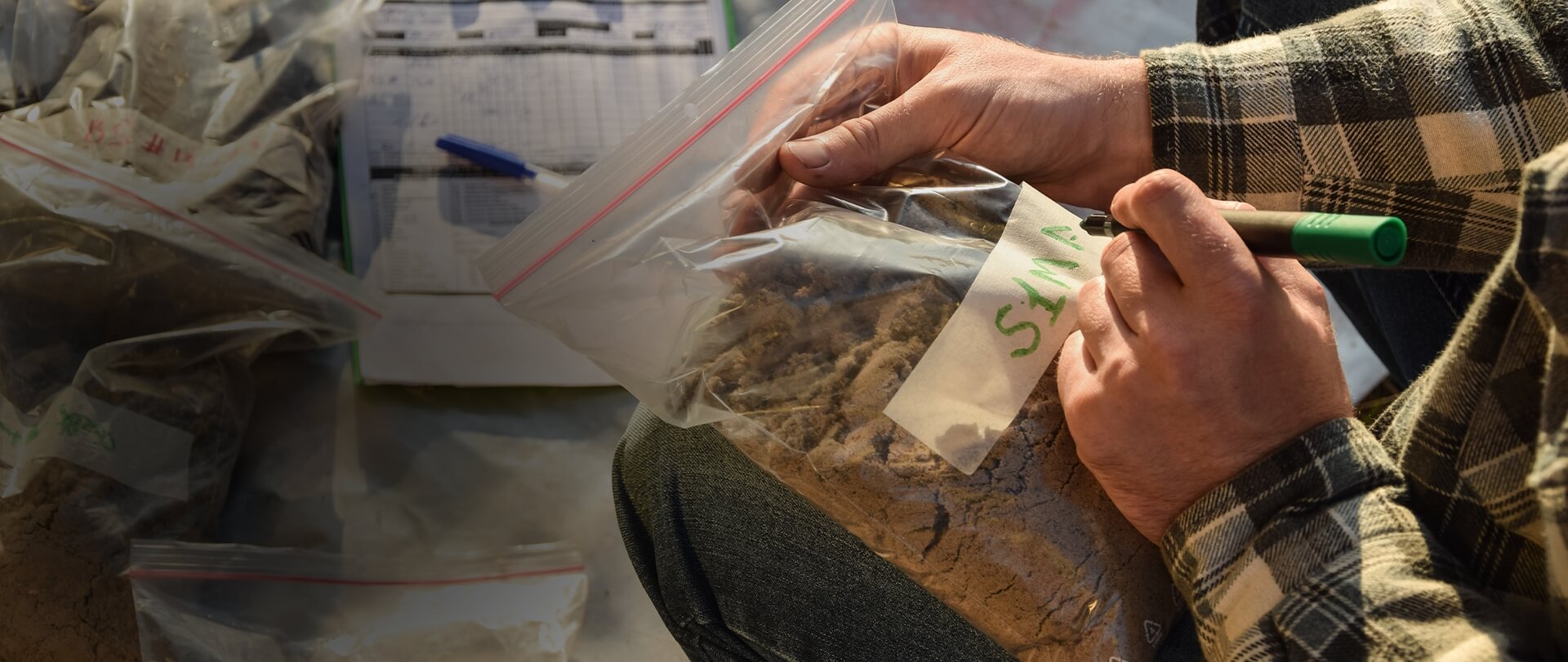
| Physical examinations |
| We determine basic soil parameters such as natural moisture content, bulk density, density of solid particles, grain size distribution (sieve and hydrometer analysys) and consistency limits (Atterberg limits), content of organic compounds. |
| Shear and compression tests |
| We analyse soils endurance for shearing and compression. Those researches are realised in triaxal compression apparatuses (UU, CU, CD) and direct shear apparatuses which allow to define strenght paramters of soils in conditions similar to actual strain and range of work of projects. |
| Rock strenght tests |
| We define elasticity and strenght parameters of rocks. Informations are used to mark quality of rock mass, according to Bieniawski (RMR) Lunde's (Q) and GSI ratings, along with their workability. |
| Strain tests |
| Allow to define sensibility for deformation under load of soils . Tests realized in edometers and consolidometers provide data to forecast settlement and soil compressibility. |
| Soil contamination tests |
| We examine detailed chemical analysys of soils to identificate harmful substances presence (mark of ground pollution (also according to regulation polish Ministry of Climate and Environment). It is necessary in case of environment protection, mark of environment investment risk, mark of environmental impact and planning remediation process. |
| Groundwater contamination tests |
| We analyse chemical composition of ground waters for contamination presence. We provide data to mark impact of waters for environment and constructions. |
| Groundwater chemistry tests |
| We define groundwater chemical composition what allow for mark their agressiveness in relation to building materials (concrete, steel). |
| Tests of tarry substance in asphalt surfaces |
| Tests for road construction purposes, aiming to term content of tar in pavement probes. |
|